Operational intelligence.
No shortcuts.
Unfiltered perspectives from practitioners who have run the operations, not observed them from a distance.
We write from inside the operation, not from the outside looking in.Copenhagen Security Excellence

Is It Still Safe to Fly When the Bomb Threats Keep Coming?
More than 50 hoax bomb threats, drones closing runways and a global outage hit aviation within two weeks. Flying is still very safe, and the reason is everything that stands between a threatening email and an actual aircraft.

When Your Best People Leave Before They Resign
Most organisations find out that someone is leaving when the resignation arrives. By then, the decision may have been taking shape for months. What should leaders pay attention to, who notices first, and how do we start the right conversation before it is too late?

Summer Peak Operations: Why The Airports That Get It Right Start After Summer
Most airport operators approach peak season planning by hiring extra staff in May and hoping the schedule works out. The airports that actually run smooth summer operations have been planning since last September at the latest.
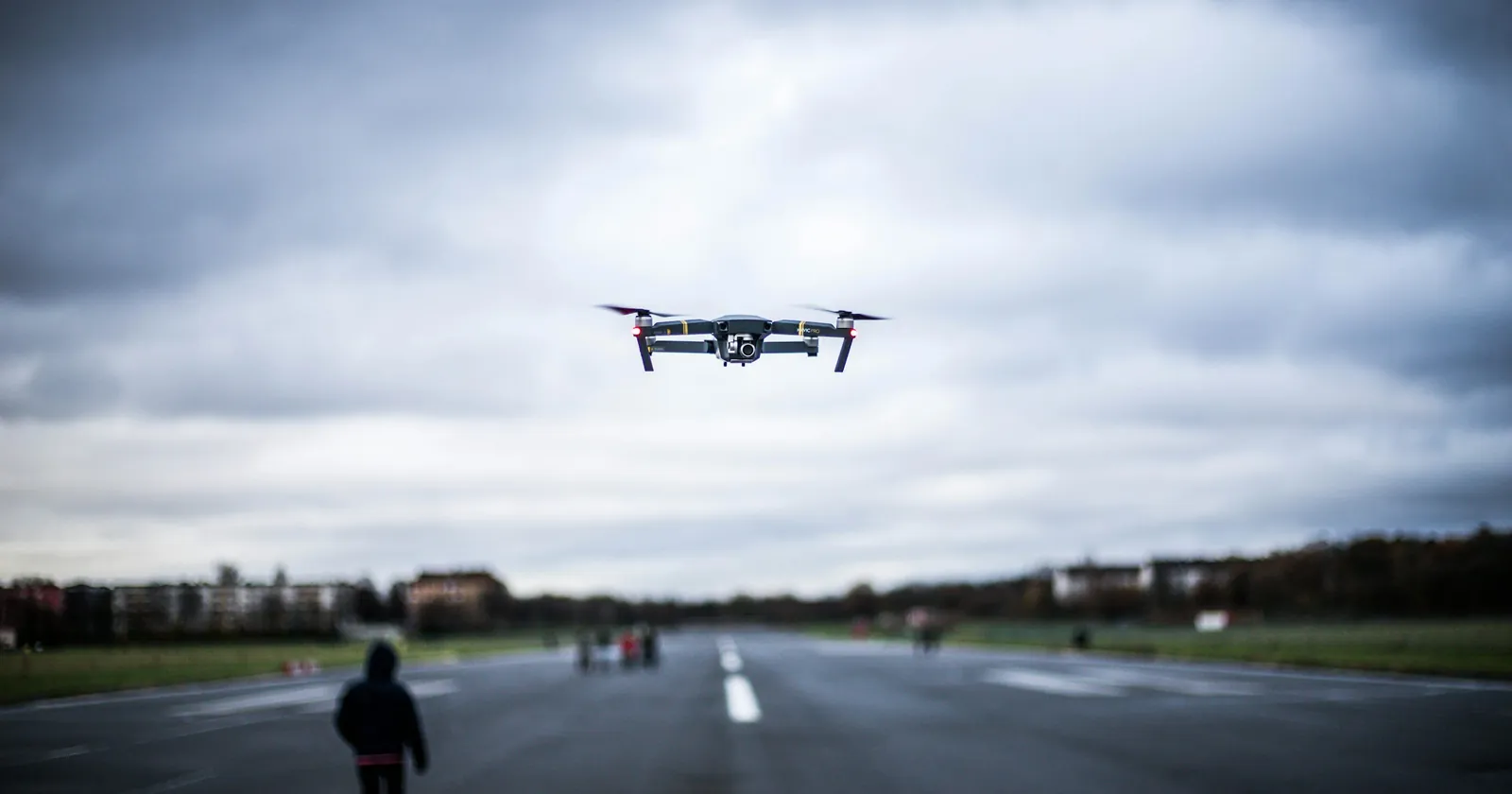
Hybrid Threats Are a Leadership Question
Most airport leaders can explain what happens when a particular system fails. The more difficult question is what happens when several things go wrong at once, none seems particularly serious on its own, and nobody can say with confidence whether they are connected.

Summer Doesn’t Build Culture. It Reveals It.
Why do some airports navigate intense operational pressure with confidence, while others struggle under remarkably similar circumstances? Summer rarely changes how an organisation performs. More often, it reveals how it has been working all along.

A real network is not a contact list
The security environment at airports changes faster than most people outside this industry realise. Nobody can keep up with all of it alone. What separates the airports that stay ahead from those that don't is not resources; it's access to a dense, trusted network of people who will tell you the truth.